

In residential photovoltaic (PV) systems, the inverter is the core conversion device, and its power generation directly reflects the system's power efficiency and profitability. Understanding how to calculate the power generation of a residential inverter allows for a quick and clear understanding of the system's performance. The calculation logic is actually quite simple; the core points can be easily grasped in just one minute.
The calculation of actual power generation from a residential inverter revolves around combining theoretical power generation with actual loss coefficients. Alternatively, the actual power generation can be directly read from the inverter's own monitoring data. Both methods are suitable for different scenarios, each with its own advantages in accuracy and convenience. The specific calculation methods are as follows:
I. Basic Formula Calculation Method (General for Estimation/Calculation)
This is the most commonly used calculation method. It is derived from the system's core parameters and actual environmental coefficients. The formula is: Actual Power Generation of Inverter (kWh) = Total Power of Photovoltaic Modules (kW) × Local Effective Sunshine Duration (h) × System Overall Efficiency (%) Key Parameter Explanation: Understand in One Minute
1. Total Power of Photovoltaic Modules: This refers to the total installed power of your own photovoltaic panels. For example, if you install 5 550W photovoltaic panels, the total power is 2.75kW. This is the system's basic power generation capacity.
2. Local Effective Sunshine Duration: This refers to the actual sunshine duration reaching the standard irradiance in the local area during the day, not the natural sunshine duration. In most parts of China, the average annual effective sunshine duration is about 3-4 hours/day. In the Northwest region, where sunshine is abundant, it can reach 5-6 hours/day.
3. System Overall Efficiency: Core Loss Factor. In residential photovoltaic systems, photovoltaic panels, inverters, wiring, and support structures all generate a small amount of loss. The overall efficiency of a typical residential system is approximately 75%-85% (the inverter's conversion efficiency itself can reach over 95%, making it the most efficient core component in the system).
Example Calculation: Assuming you have a 5 kW residential photovoltaic system installed, and the average equivalent sunshine duration in your location is 4.2 hours/day, with a system efficiency estimated at 85%:
Daily Power Generation = 5 × 4.2 × 0.85 ≈ 17.85 kWh/day
Monthly Power Generation ≈ 17.85 × 30 ≈ 535 kWh/month
This means that under ideal conditions, your system can provide over 500 kWh of clean energy per month—enough for most families' daily use and significantly reduce electricity bills.
Many modern residential inverters come with built-in intelligent monitoring functions, directly displaying real-time, daily, monthly, and annual power generation data without manual calculation. With 100% accuracy, this is the most convenient way to check actual power generation:
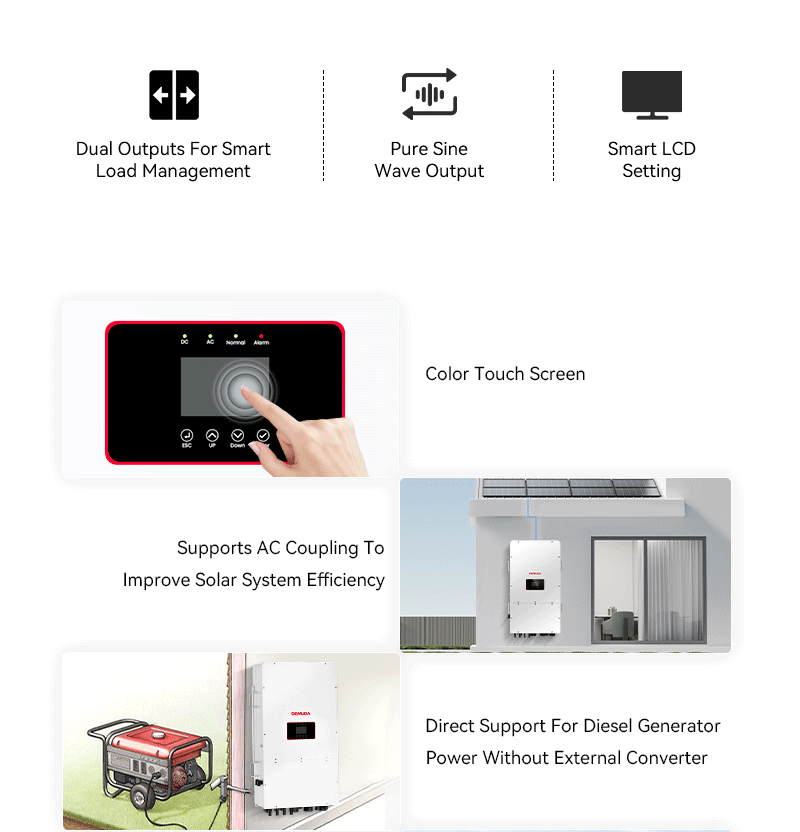
1. Inverter Local Display: Directly view various power generation data and monitor system operation status in real time;
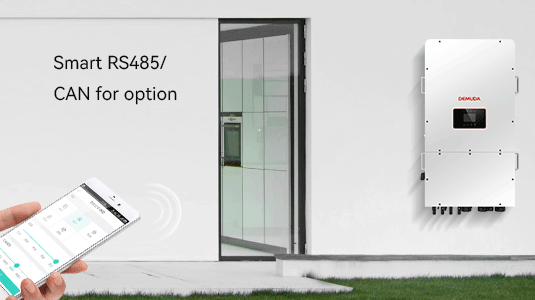
2. Intelligent Monitoring Platform / Mobile App: Remotely read power generation data and view historical power generation records, power curves, etc., facilitating the calculation of power generation revenue.
III. Tips for Optimizing Power Generation
1. Environmental Factors to Consider: Cloudy, rainy, and smoggy days significantly reduce effective sunshine duration, leading to a decrease in power generation. In summer, abundant sunshine and long hours of irradiance result in higher power generation, while the opposite is true in winter. These are normal operating phenomena for photovoltaic systems.
2. Routine Maintenance for Efficiency: Regularly cleaning dust and debris from the photovoltaic panel surface and promptly checking wiring connections and inverter operation status can effectively reduce additional losses and ensure the overall system conversion efficiency.
3. Power Matching is Key: When building a residential photovoltaic system, the rated power of the inverter must be reasonably matched with the total installed power of the photovoltaic modules. A proper match maximizes the inverter's conversion performance and improves the actual power generation of the system.
Demuda, a professional supplier with many years of experience in the photovoltaic energy storage industry, offers a variety of residential inverters, including 6kW/8kW/10kW/12kW models, all of which meet high industry standards for conversion efficiency. These inverters are equipped with intelligent monitoring systems that can accurately monitor power generation data in real time. Demuda also provides professional solution design and configuration optimization for residential photovoltaic systems, maximizing system power generation efficiency and actual power generation, allowing users to easily enjoy the benefits and convenience of photovoltaic power generation.