

As summer approaches in the Northern Hemisphere, the impact of high temperatures becomes more noticeable. In the energy storage industry, inverters serve as the core device for power conversion, and their operational stability directly affects the efficiency and lifespan of the entire system. The internal cooling system of the inverter, especially the cooling fan, plays a crucial role. The cooling fan experiences increased workload in high-temperature environments and requires special attention and regular maintenance. Failure to do so may lead to inverter overheating, reduced performance, or even failure.
This article will begin by explaining the working principle of the cooling fan, analyze the impact of summer heat on inverter cooling fans, and provide maintenance strategies from installation environment to daily upkeep.
1. The Working Principle and Importance of Inverter Cooling Fans
An inverter is a key device that converts direct current (DC) into alternating current (AC), widely used in solar power generation, wind power generation, and energy storage systems. Since inverters generate a significant amount of heat during operation, an efficient cooling system is necessary to maintain their proper functioning.
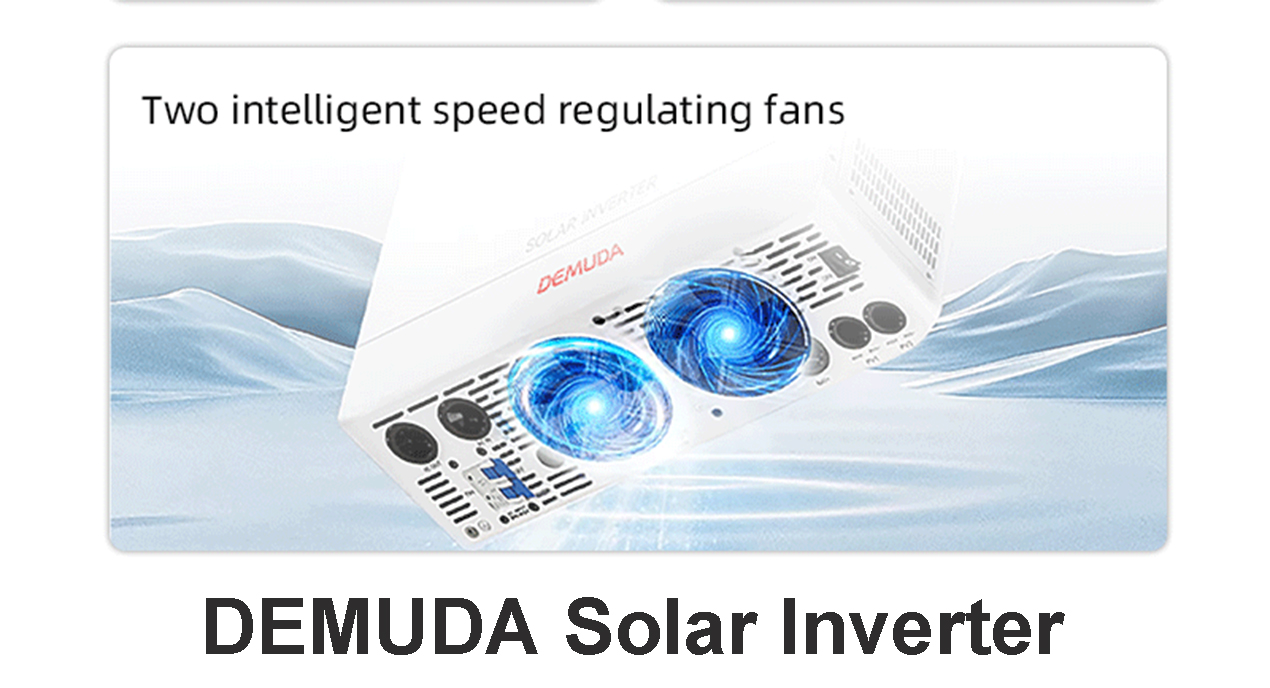
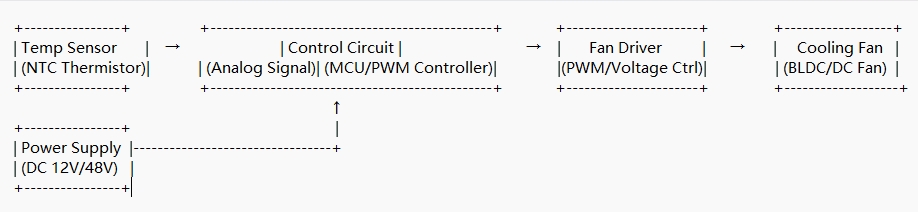
The cooling system of an inverter typically consists of a heat sink, fan, and temperature control device. The working principle of the cooling fan involves a motor driving the fan blades, accelerating airflow to dissipate the heat inside the inverter, thus achieving forced convection cooling to lower the inverter's internal temperature. Generally, when the inverter's internal temperature exceeds 50°C, the cooling fan will automatically activate. If the temperature continues to rise, it may lead to overheating protection, reduced power output, or even shutdown.
2. The Impact of Summer Heat on Cooling Fans
●Increased Load on Cooling Fans Due to High Temperatures
As the temperature rises, the heat in the air also increases. Particularly in areas with intense sunlight, inverters may be exposed to direct sunlight for long periods, requiring the cooling fans to work continuously at full strength to meet the inverter’s cooling needs. However, high temperatures cause the resistance in the fan motor windings to increase, which raises the current and power consumption of the motor, exacerbating heat buildup. Prolonged operation in such high-temperature, high-load conditions will gradually degrade the insulation performance of the fan motor, leading to faults such as short circuits or open circuits, causing the fan to stop working.
●Reduced Fan Lifespan
High temperatures accelerate the aging of the fan, impacting its performance. According to some fan manufacturers, the typical lifespan of a cooling fan is about 50,000 hours. However, if the fan operates in high-temperature environments for extended periods, this lifespan can be significantly shortened. For example, in environments above 45°C, the fan’s lifespan could be reduced by 30% to 50%.Dust and Debris Accumulation
In the summer, dust and debris levels in the air are relatively high. Since solar inverters are often installed outdoors, the cooling fan will continuously draw in surrounding air during operation, inevitably bringing dust and debris into the fan system. Dust and debris accumulate on the fan blades, motor housing, and airflow channels, which not only increases the resistance to the fan's rotation, causing a reduction in fan speed, but also acts as an insulator, hindering heat dissipation and further raising the inverter's internal temperature. According to statistics, inverters running in dusty environments experience an average failure interval 30% shorter than those running in clean environments.
●Humidity Fluctuations and Associated Risks
In some regions, frequent rainfall and alternating high temperatures can lead to significant fluctuations in environmental humidity. For cooling fans in inverters, a high-humidity environment can cause the internal electronic components of the motor to absorb moisture, leading to a decline in insulation performance and triggering short circuit faults. Additionally, fluctuations in humidity can cause corrosion of the fan's metal parts, impairing its mechanical performance and lifespan.
3. How to Maintain Inverter Cooling Fans: Installation and Daily Maintenance
●Choosing the Right Installation Environment
When installing an inverter, the working environment of the cooling fan must be carefully considered. For inverters installed outdoors, protective fences or covers should be set up to reduce dust and debris entry, and they should not be placed near construction sites with high dust or sand. Additionally, ensure that there is adequate ventilation around the inverter, and the intake and exhaust ports of the cooling fan should remain unobstructed. Avoid installation in high-temperature, enclosed spaces like attics or basements. Install the inverter at a height of at least 1.5 meters above the ground, and avoid low-lying areas with poor drainage.
●Regular Inspections and Cleaning
Regular Inspections: Perform at least weekly inspections of the inverter cooling fan. Inspection tasks include checking for abnormal noises, verifying normal fan speed, checking for overheating of the fan motor, looking for any external damage, and ensuring that there are no foreign objects attached to the heat sink. Timely detection of potential issues will allow for prompt action.
Cleaning: Clean the cooling fan at least once a month. Begin by disconnecting the inverter from the power supply, and use a soft brush or compressed air to blow away the dust and debris from the fan blades, motor housing, and airflow channels. For stubborn stains, use a small amount of alcohol or dedicated cleaning agents to wipe the surfaces. Be cautious not to allow liquid to enter the motor, which could cause damage. After cleaning, dry the fan surface with a clean cloth to ensure no dust or moisture remains, preventing damage to the electrical components or short circuits.
Tightening and Lubrication: During the cleaning process, check whether the fan's mounting screws are loose, and tighten them if necessary. Additionally, lubricate the fan motor bearings with an appropriate amount of lubricant to reduce friction during operation, improving fan efficiency and extending its lifespan.
Replacing Damaged or Aged Fans:If the inspection reveals obvious damage or aging issues (such as the motor not rotating or producing excessive noise), the fan should be replaced promptly. Most inverter manufacturers offer dedicated fan replacement services or parts to ensure compatibility with the device.
With the approach of summer in the Northern Hemisphere, maintaining the inverter cooling fan is an urgent task. By understanding the working principle of the cooling fan and the impact of high summer temperatures, along with implementing scientific and effective maintenance strategies, you can ensure that the cooling fan remains in optimal working condition. This will guarantee the stable operation of the inverter in high-temperature environments, enhancing the performance and reliability of energy storage systems for residential, commercial, and industrial users, ultimately saving on electricity costs.