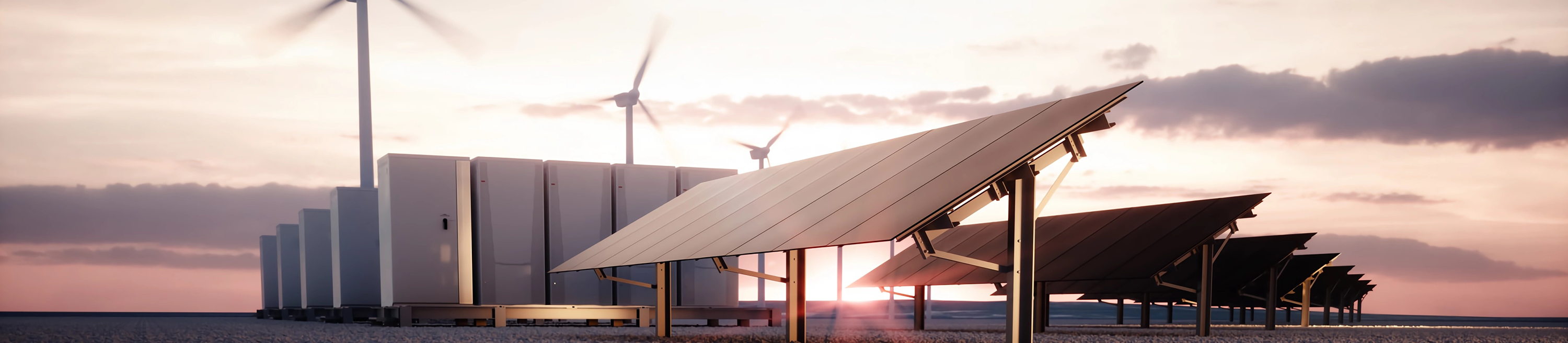


From May 7 to 9, 2025, the Munich International Solar Technology Expo was held at the Munich Exhibition Center in Germany. As one of the core sections of "The smarter E Europe", this exhibition attracted 2,737 companies from 57 countries to participate in the exhibition, with an exhibition area of 132,000 square meters. During the three-day exhibition period, it welcomed more than 100,000 professional visitors, an increase of 12% over 2024, fully demonstrating its authority and leadership in the global solar industry.
The following will focus on the exhibitors and the new technologies such as photovoltaics, energy storage, and solar energy they brought, and present the latest achievements and cutting-edge trends in solar energy technology in all aspects.
GCLSI GPC 2.0 series modules entered the European market for the first time, realizing three-dimensional super-matching innovations in capacity, revenue and reliability based on BC technology. The power increased by 30W and the capacity gained by 4.8%, releasing more space value for scenarios such as roofs. Under the same LCOE conditions, the system cost advantage reaches 10%. The innovative straight-line solder strip design and anti-shadow shielding technology reduce the risk of hidden cracks and hot spots, reduce the temperature by 20°C, improve the durability of materials, ensure efficient operation in complex environments, and bring significant value gains and stability. In the central exhibition area of the exhibition, Markus Bauer, General Manager of GCLSI Europe, said in an interview: "We have observed that the European household photovoltaic market has an extremely urgent need for 'cost reduction and efficiency improvement'. The BC technology of the GPC 2.0 Solar panels just solves the efficiency bottleneck of traditional modules on small roofs. In 2024, the proportion of distributed photovoltaic installations in Europe will reach 62%, which means that our products will directly reach tens of millions of household users."
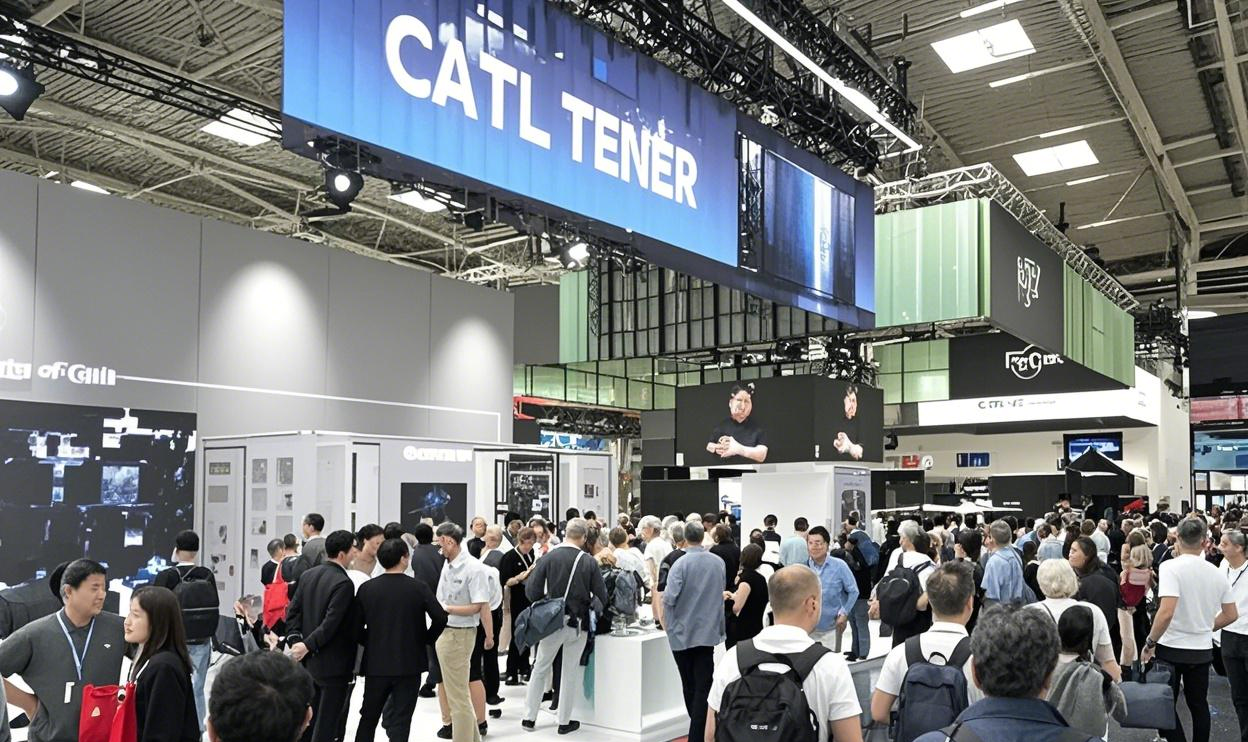
TENER Stack released by CATL is the world's first mass-produced 9MWh The ultra-large capacity energy storage system uses high energy density cells, has five-year zero decay characteristics, 50% higher energy density, and 45% higher volume utilization. The system has a single unit capacity of up to 9MWh, which can meet the charging needs of 150 electric vehicles or 6 years of household electricity. The innovative split modular design ensures compliance with global transportation regulations, and improves fire resistance and earthquake resistance to enhance safety. Cooperating with Tesla, it ranks first among North American large storage suppliers.
Yang Qi, President of CATL's Energy Storage System Division, emphasized at the "Global Energy Storage Leader Roundtable": "TENER Stack's 9MWh large capacity design is designed to match the explosive demand for large-scale industrial and commercial energy storage projects in Europe. The annual production capacity of the German factory is expected to exceed 5GWh in 2026, which will reduce our system cost by 18% in the European market."
PV Magazine Editor-in-Chief Finlay Colville commented in the exhibition special issue: "This exhibition reflects two major shifts in the industry - from 'selling modules' to 'selling systems', and from 'competing in production capacity' to 'competing in technology'. Chinese companies are no longer limited to low-price competition, but are seizing the high-end market through differentiated solutions such as BC technology and granular silicon. CATL's energy storage system has even entered the auxiliary service system of the German power grid, which marks the leap of Chinese brands from 'manufacturing overseas' to 'value overseas'."
By improving the passivation contact technology, LONGi Green Energy has further reduced the surface recombination rate of TOPCon batteries and increased the battery conversion efficiency to 26.8%. Jan van der Meer, purchasing manager from Eneco Group of the Netherlands, said: "We pay more attention to the LCOE competitiveness of the components. Under the same conditions, a cost reduction of 0.05 euros per watt can determine the ownership of the order." The price comparison table in his hand shows that the quotation of TOPCon components of Chinese companies has dropped to 0.18 euros/W, a decrease of 15% from 2024.
Tongwei Co., Ltd. uses electroplating copper technology to replace traditional silver paste printing, which reduces the silver consumption of HJT batteries by 80% and the manufacturing cost by 15%, effectively improving the cost performance.
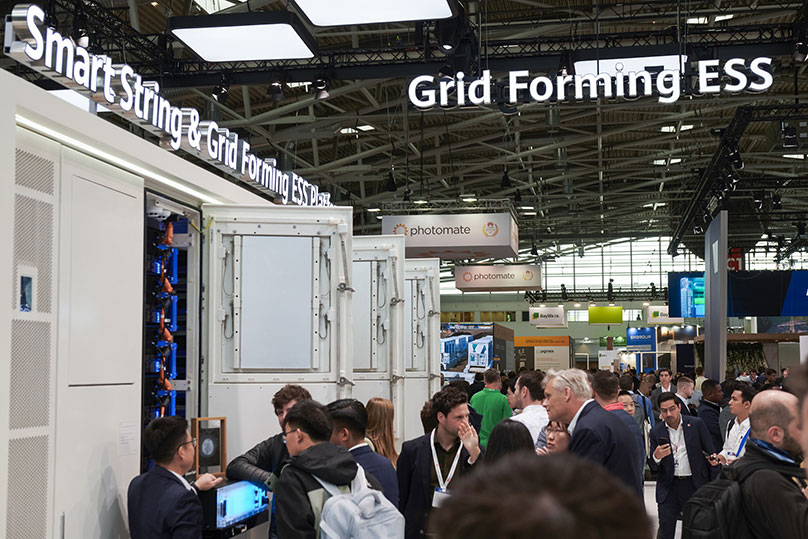
The "three-layer protection" energy storage system launched by Huawei combines the Internet of Things, big data and artificial intelligence technologies to realize real-time monitoring, fault warning and intelligent diagnosis of photovoltaic power station equipment. The system collects the operating data of photovoltaic components, inverters and other equipment in real time, and timely discovers potential faults and locates the causes through big data analysis and intelligent diagnosis technology, and provides accurate maintenance suggestions. This technology greatly improves the operation and maintenance efficiency of power stations, reduces operation and maintenance costs, and ensures the long-term stability and efficient operation of power stations.
The all-solid-state battery released by Gotion High-tech. has an energy density of 350Wh/kg, which is 40% higher than that of traditional liquid lithium-ion batteries, with higher safety and longer cycle life.
The all-vanadium liquid flow battery of Zhonghe Energy Storage has a cycle life of more than 20,000 times, and its power and capacity can be adjusted independently, with a high depth of charge and discharge, which has broad development prospects in large-scale energy storage application scenarios.
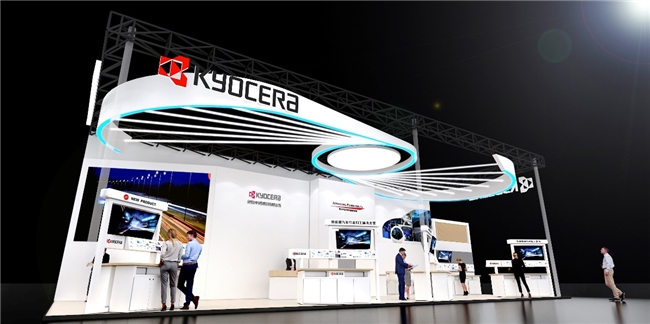
AI has also begun to enter the solar energy industry. In the Japanese exhibition area, the integrated model of "rooftop photovoltaic + energy storage + electric vehicle charging" displayed by Kyocera was surrounded by spectators. The staff demonstrated on site: when the power generation of the photovoltaic system exceeds the household electricity consumption, the excess power is automatically stored in the energy storage device, and the electric vehicle is charged at night. The whole system realizes "peak-valley electricity price arbitrage" through AI algorithms, and the investment payback period in the Tokyo area can be shortened to 6 years (including government subsidies).
The global solar energy market presents a diversified development pattern under the joint action of technological progress and energy transformation needs. The 2025 Munich International Solar Technology Expo focused on the differentiated characteristics and growth momentum of the three major markets in Europe, Asia and America.
As the forefront of the global renewable energy transformation, the European solar market continues to increase its installed capacity with the dual-wheel drive of "policy guidance + scenario drive". In 2024, Europe's new solar installed capacity reached 65.5 GW, a year-on-year increase of 4%. Among them, traditional markets such as Germany, France, and Italy have steadily expanded their capacity through subsidy policies (such as Germany's "EEG 2021" Act), while emerging markets such as Poland, the Netherlands, and Spain have rapidly risen by relying on the integration of photovoltaics with agriculture and buildings. Market competition focuses on the field of distributed photovoltaics - Europe has more than 20 million industrial and commercial buildings and 80 million residential rooftop resources, and the proportion of distributed installations has reached 62%, which has prompted companies to accelerate the development of lightweight components (such as GCL Integrated GPC 2.0 components), intelligent tracking systems (such as CHINT flexible solutions) and other technical solutions suitable for small and medium-sized scenarios. At the same time, the EU's "Net Zero Industrial Act" requires local production capacity (40% of module production capacity will be located in Europe by 2030), prompting Chinese and foreign companies to accelerate localization layout, such as CATL's German factory and GCL Integration's Polish production line planning, forming a two-way synergy of technology output and capacity co-construction.
As the world's fastest-growing solar market, Asia presents a stratified development trend of "leading by the head + regional rise". China has firmly established itself as the global photovoltaic manufacturing center with its complete industrial chain and scale advantages. In 2024, Chinese companies will occupy seven of the top ten global component manufacturers, and will lead innovation in cutting-edge fields such as perovskite stacking technology (steady-state efficiency of 26.36%) and granular silicon materials (cost 30% lower than rod-shaped silicon). India has promoted installed capacity to exceed 150 GW through the "National Solar Plan", becoming an emerging manufacturing hub in Asia. Japan has maintained its lead in household energy storage. Tokyo has forced new residential buildings to install photovoltaic + energy storage systems since April 2025. With government subsidies, the investment payback period has been shortened to 6 years, and its "photovoltaic storage and charging integration" solution has formed a mature business model. In addition, Southeast Asia (such as Vietnam and Malaysia) and the Middle East (such as Saudi Arabia and the United Arab Emirates) rely on rich light resources and carbon neutrality goals to attract foreign investment through tax-free policies and power purchase agreements (PPA), becoming new hotspots for photovoltaic power station investment. In 2024, new installed capacity in Southeast Asia increased by 25% year-on-year, and the market size in the Middle East exceeded 10 GW.
The American market is centered on the United States and Brazil, showing different development paths. As the world's second largest solar market, the United States will have 28 GW of new installed capacity in 2024. The federal investment tax credit (ITC) and the state renewable energy quota system (RPS) promote the simultaneous development of centralized power stations and distributed photovoltaics, but the Inflation Reduction Act (IRA)'s requirements for supply chain localization (such as 40% of key minerals in battery components must come from the United States or free trade partners) bring short-term challenges to Chinese companies. Companies respond through the layout of Mexican factories (such as CATL) and technology licensing cooperation (such as LONGi Green Energy's joint research and development with American companies). As the largest market in South America, Brazil has exceeded 25 GW of cumulative installed capacity based on the "National Solar Plan", but its grid stability is insufficient and the land approval process is complicated. Problems such as the complex process still need to be resolved. Companies need to provide a comprehensive solution of "photovoltaic + energy storage + microgrid" to adapt to the needs of remote areas. It is worth noting that Latin American countries such as Chile and Argentina have released market potential through the "renewable energy auction mechanism". In 2025, it is expected that the newly installed capacity will exceed 5 GW, becoming a new growth point in the American market.
As a weathervane of the global solar energy industry, the Munich International Solar Technology Expo has injected new vitality into the development of the energy storage industry by displaying innovative products, cutting-edge technologies and overseas market conditions of many brands. Enterprises should seize the opportunity, increase technological innovation and market expansion efforts to cope with fierce market competition and promote the global solar energy and energy storage industry to a higher level of development.