


According to market research firm Statista, the global home energy storage market is expected to surpass $30 billion by 2028. As the core component of home energy storage systems, LiFePO4 batteries have become the mainstream choice due to their excellent safety, long lifespan, and environmental benefits. Based on the structure of the cells, LiFePO4 batteries are mainly divided into three types: cylindrical, prismatic, and pouch (aluminum-plastic film) batteries. Each type has its unique technical characteristics and applicable scenarios.
1. Cylindrical LiFePO4 Batteries
1.1 Structure and Naming Convention:
Cylindrical LiFePO4 batteries are housed in steel casings. Common standardized models include 18650, 21700, and 46800. These numbers directly reflect the battery's size: for example, 18650 means a diameter of 18mm and a height of 65mm, while 21700 refers to a diameter of 21mm and a height of 70mm, and so on.
Major players such as Panasonic, Samsung, and LG Chem focus on the 18650 model, while Tesla, CATL, and BYD mainly push the 21700 and 46800 models. This standardization significantly reduces production and assembly costs and facilitates large-scale automated manufacturing.
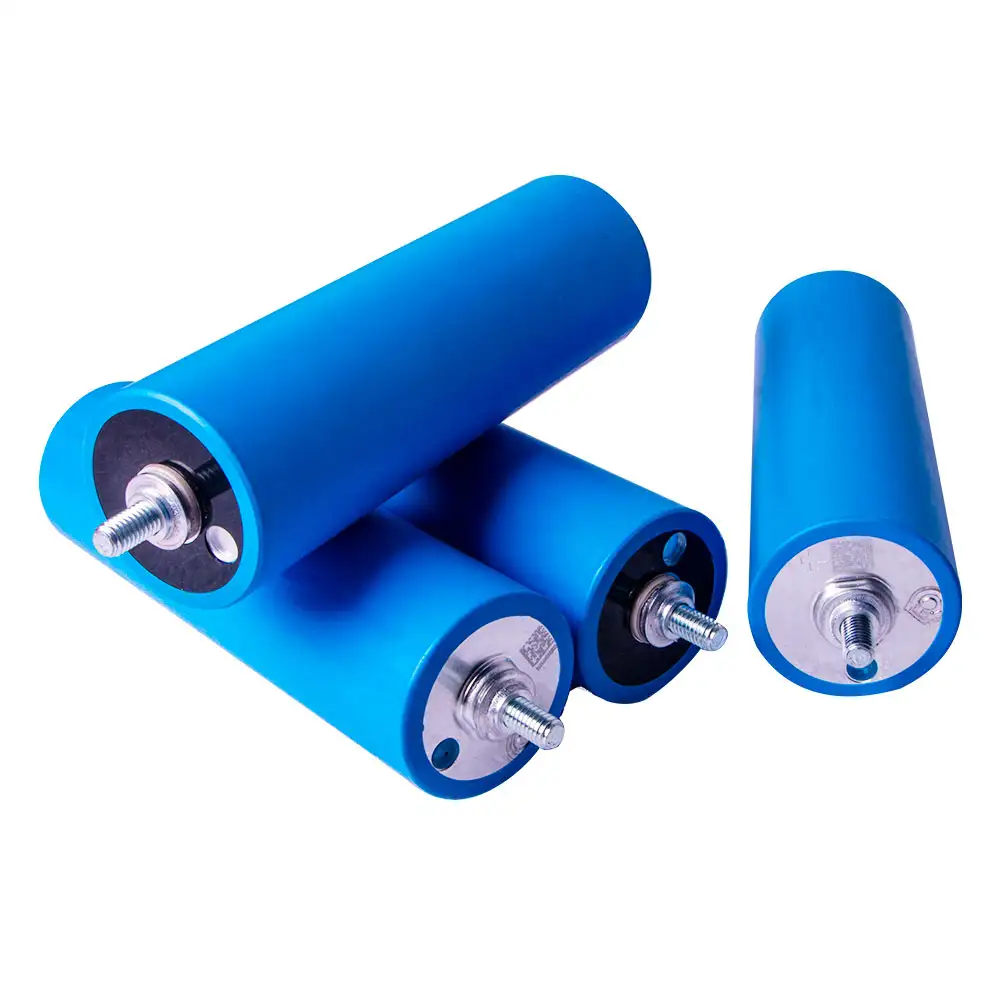
1.2 Performance Advantages and Technical Breakthroughs:
The 18650 battery, one of the most mature lithium battery models, offers moderate energy density, highly mature production processes, good stability, and relatively high safety, especially under conditions like overcharge, over-discharge, and short-circuiting.
Compared to the 18650 battery, the 21700 offers a higher energy density, as its larger size allows for more active materials, thus enhancing battery lifespan.
The 46800, with its larger size and higher capacity, can reduce the number of individual cells needed in applications with the same energy requirements, simplifying management systems.
1.3 Applications:
The 18650 cylindrical LiFePO4 battery is widely used in various fields, including power tools, laptops, electric vehicles, and home energy storage systems.
The 21700 model, as a newer standard replacing the 18650, is increasingly favored in applications like electric vehicles and energy storage systems due to its higher energy density, longer lifespan, and superior thermal management characteristics.
The 46800 is the largest model among these, typically used in high-capacity energy storage applications like electric vehicles and large-scale storage systems. Although its adoption is not as widespread as the 18650 and 21700, it is expected to gain traction in the future as technology matures and demand grows.
2. Prismatic LiFePO4 Batteries
1.1 Flexible Capacity Customization:
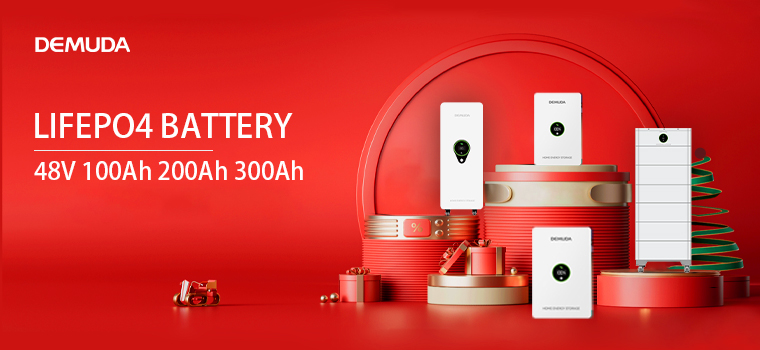
Prismatic batteries are housed in aluminum casings, offering a more flexible range of capacities. Smaller batteries typically range from 1Ah to 5Ah, such as BYD’s LFP 3.2V 2Ah and Lishen Battery’s LFP 3.2V 2.5Ah. Mid-sized batteries might range from 10Ah to 20Ah, like Funeng Technology’s 48V 15Ah and VARTA’s 36V 20Ah. Larger batteries can reach capacities from 100Ah to 200Ah or even higher, like CATL’s 48V 100Ah, Gotion High-Tech’s 48V 120Ah, Tesla’s 48V 100Ah and DEMUDA’s 48v 100Ah 200Ah 300Ah.
1.2 Performance Characteristics:
High Safety: These batteries are resistant to thermal runaway, fires, or explosions.
Long Lifespan: Their cycle life typically ranges from 2,000 to 4,000 cycles.
Temperature Tolerance: They operate stably across a wide range of temperatures.
Low Self-Discharge Rate: Suitable for long-term storage.
Environmental Benefits: They do not contain toxic heavy metals, making them environmentally friendly and non-polluting.
1.3 Applications:
Large batteries are used in home solar energy storage systems, where solar panels collect energy during the day and store it for use at night, during power outages, or when there is insufficient electricity supply.
Medium-sized batteries are used for charging electric bicycles, e-scooters, and can also be integrated with solar panels to create small off-grid power systems for outdoor activities, RVs, or remote cabins.
Small batteries are used in power tools like drills, electric screwdrivers, electric saws, and lawn mowers, which require high power output and long usage times, as well as in consumer electronics such as smartphones, tablets, watches, and headphones, where high energy density, compact size, long lifespan, and fast charging are key requirements.
3. Pouch (Aluminum-Plastic Film) LiFePO4 Batteries
1.1 Unique Packaging Technology:
Pouch LiFePO4 batteries are encapsulated using a special aluminum-plastic film, which reduces the weight by 30% compared to metal casing. The thickness of the packaging can be as thin as 0.5mm. This packaging method allows for higher specific energy and better thermal performance, while also offering excellent shock resistance and reduced weight.
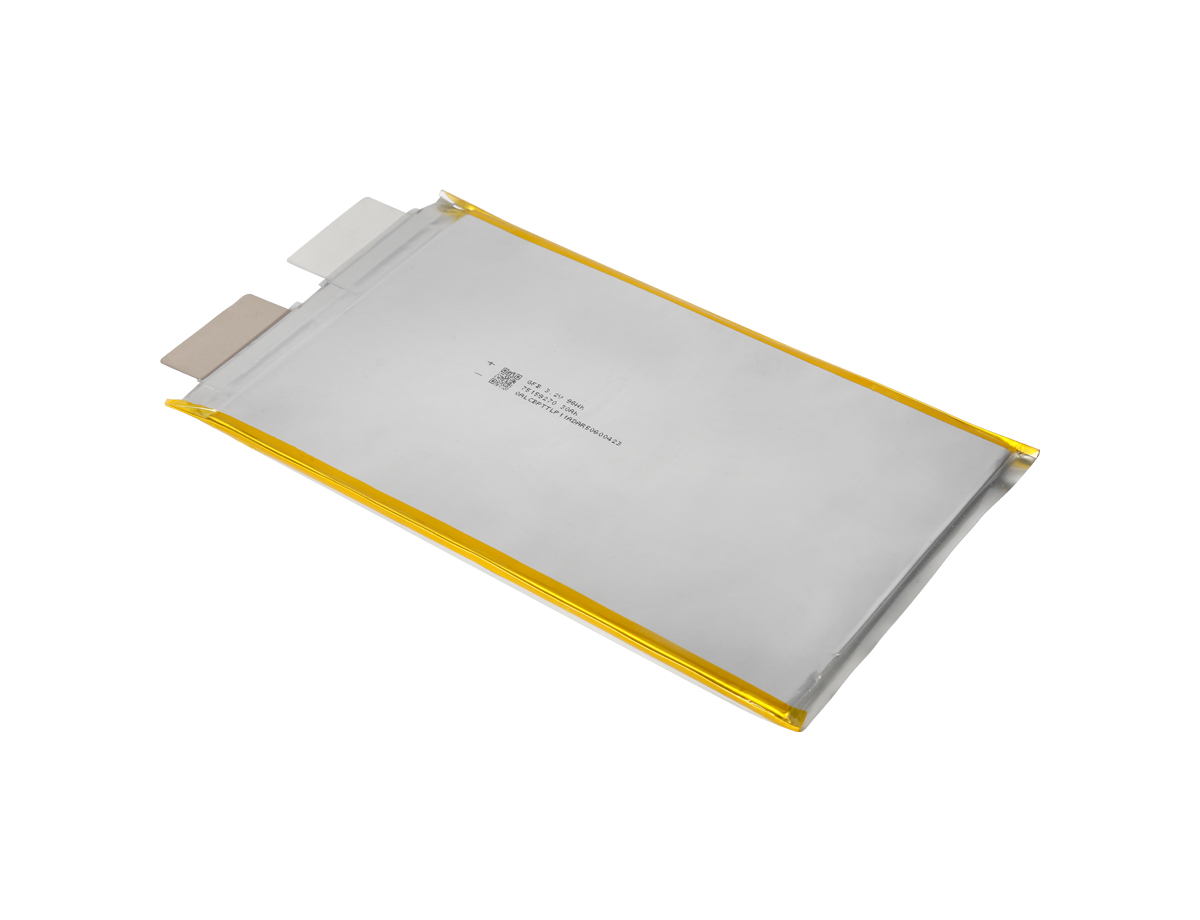
1.2 Performance Features and Advantages:
Long Cycle Life: These batteries can withstand over 3,500 cycles.
Low Self-Discharge Rate: Their self-discharge rate is less than 3% per month.
Low-Temperature Performance: Even at temperatures as low as -20°C, they can maintain over 70% of their discharge capacity.
Flexibility: The flexible design allows them to be adapted for curved installations, which is ideal for home energy storage systems where they can be customized into ultra-thin wall-mounted products.
1.3 Applications:
In smart home systems for villas, pouch batteries can be embedded into walls and combined with photovoltaic curtain walls to create invisible energy storage systems.
In mobile energy storage scenarios such as RVs and yachts, their lightweight nature significantly enhances the equipment’s endurance.
A particular brand offers flexible energy storage bricks with a capacity of 2kWh each, which can be freely connected to meet personalized installation requirements.
I wonder if the above structural classification of common lithium iron phosphate battery cells meets your expectations? If you want to have more in-depth thoughts on this topic and are interested in our product lithium iron phosphate battery, feel free to contact me.